Overview
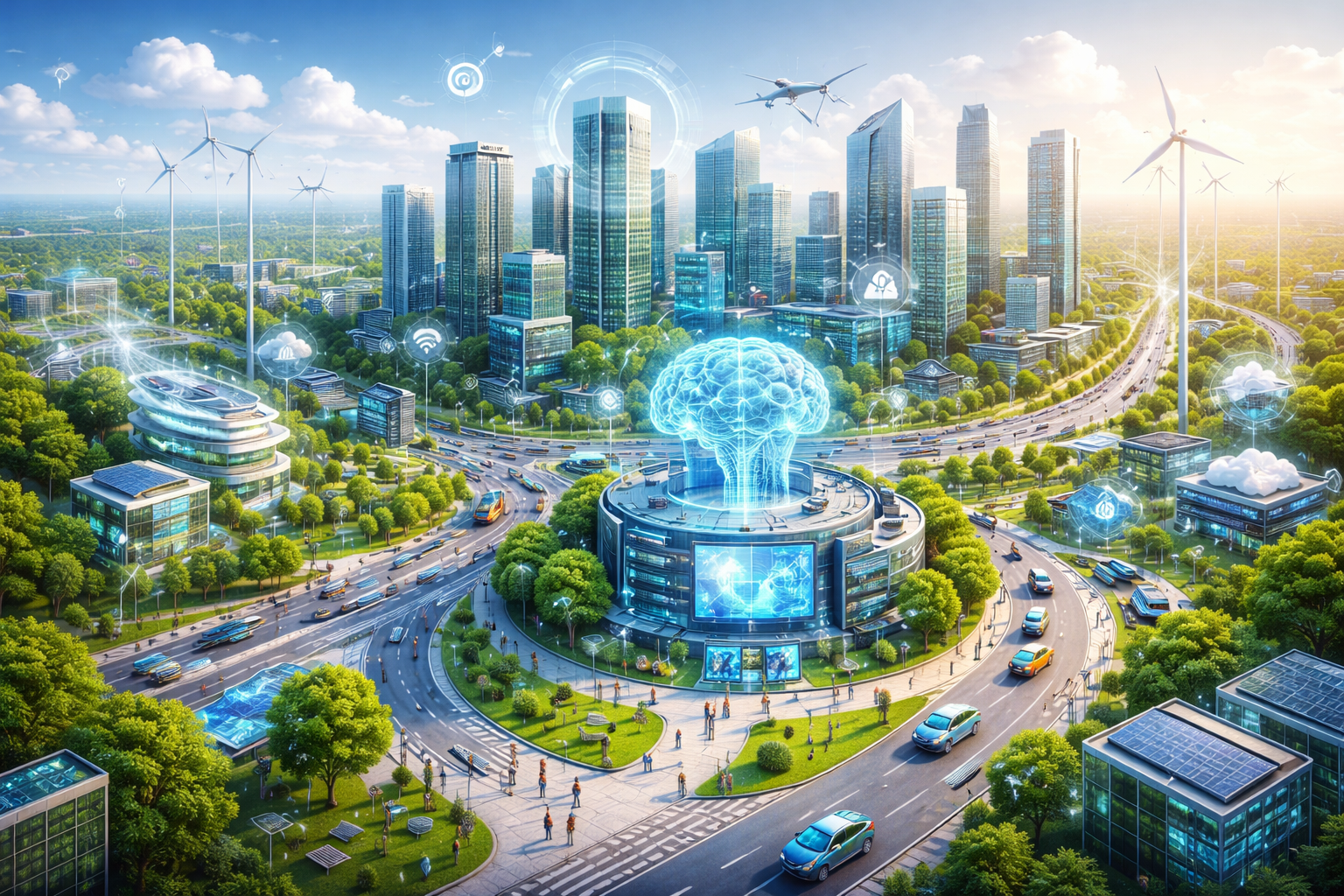
The course Smart Infrastructure & Urban Planning Using AI focuses on how modern cities can be designed, managed, and optimized using Artificial Intelligence (AI) technologies. With rapid urbanization, traditional planning methods are often insufficient to handle complex challenges such as traffic congestion, pollution, resource management, and population growth. This course introduces students to intelligent solutions that make cities more efficient, sustainable, and livable.
Our Trainers

Er. Ajay Kumar Patidar
Designation: Founder and MD
Organization: Shilpcon Design Solutions
Modules
Module 1: Introduction to Smart Cities & Urban Infrastructure
- Concept of urbanization and challenges in modern cities
- Definition and components of smart infrastructure
- Evolution of smart cities
- Role of digital technologies in urban planning
Module 2: Fundamentals of Artificial Intelligence
- Introduction to AI, Machine Learning, and Deep Learning
- Data types and data collection methods
- Basics of data analytics and visualization
- AI tools and platforms used in urban applications
Module 3: Data-Driven Urban Planning
- Use of big data in city planning
- Geographic Information Systems (GIS) and remote sensing
- Urban data management and integration
- Predictive modeling for population and land use
Module 4: Smart Transportation Systems
- Intelligent traffic management systems
- AI in public transport optimization
- Autonomous vehicles and smart mobility
- Case studies on traffic prediction and congestion reduction
Module 5: Smart Energy & Sustainable Infrastructure
- Energy-efficient buildings and smart grids
- AI in energy demand forecasting
- Renewable energy integration in cities
- Sustainable infrastructure planning
Module 6: Water, Waste & Environmental Management
- Smart water distribution and monitoring
- Waste management using AI and IoT
- Air quality monitoring and pollution control
- Climate-responsive urban planning
Module 7: Urban Safety & Disaster Management
- AI in disaster prediction and risk assessment
- Smart surveillance and public safety systems
- Emergency response optimization
- Resilient infrastructure design
Module 8: IoT & Smart City Technologies
- Internet of Things (IoT) in urban systems
- Sensors and real-time data collection
- Integration of AI with IoT for smart decision-making
- Communication networks in smart cities
Module 9: Tools, Software & Practical Applications
- Introduction to GIS software and simulation tools
- AI tools for urban analysis
- Hands-on projects and case studies
- Data interpretation and solution design
Module 10: Policy, Ethics & Future Trends
- Smart city policies and governance
- Data privacy and ethical considerations
- Challenges in implementation
- Future scope of AI in urban development
Outcomes
CO1 Understand the concepts of smart cities, urban infrastructure, and the role of Artificial Intelligence in modern urban planning.
CO2 Apply fundamental AI and data analytics techniques to analyze urban data for planning and decision-making.
CO3 Utilize tools such as GIS, IoT systems, and simulation software for designing and managing smart infrastructure.
CO4 Analyze and propose AI-based solutions for transportation, energy management, water supply, and waste management systems.
CO5 Evaluate urban challenges such as traffic congestion, pollution, and disaster risks using predictive models and intelligent systems.