

Overview
This SAGE Summer School Certificate Course in Cell Biology is designed to provide comprehensive theoretical knowledge along with practical exposure to cellular organization, genetic material, cell cycle processes, and basic cell culture techniques. The program emphasizes skill-based learning, microscopic observation, and application-based understanding aligned with NEP-2020 objectives. This course enhances laboratory skills, conceptual clarity, and research competence among participants.
Course Objectives
- Understand cellular organization and functions.
- Explain membrane dynamics and transport mechanisms.
- Understand cell cycle regulation and cell division.
- Introduce the concepts of cell signaling and apoptosis.
- Provide exposure to basic cell culture techniques.
- Differentiate between prokaryotic and eukaryotic cells.
- Demonstrate the identification of normal and abnormal cells.
Course Outcomes
Course Outcomes
• Explain the structure and function of prokaryotic and eukaryotic cells.
• Describe membrane transport and signaling pathways.
• Understand mitosis, meiosis, and cell cycle regulation.
• Relate cellular dysfunctions to disease conditions.
• Apply basic cell biology concepts in laboratory and research work.
A one-week cell biology course focuses on understanding cellular structure, functions, communication, and division processes, enabling students to visualize and interpret cellular mechanisms relevant to health, disease, and biomedical research.
Course / Modules
Module 1 (2 hrs): Introduction to Cell Biology
• History and scope of Cell Biology
• Cell theory and modern concepts
• Prokaryotic vs. eukaryotic cells
• Cell size, shape, and diversity
Practical/Demonstration:
• Microscopic observation of plant and animal cells
Module 2 (2 hrs): Cell Organelles and Cytoskeleton
• Cytoskeleton structure and function
• Mitochondria and energy metabolism
• Endoplasmic reticulum
• Golgi apparatus
• Lysosomes and peroxisomes
Practical/Demonstration:
• Identification of cell architecture
• Types of cell wall and cell membrane
Module 3 (2 hrs): Nucleus and Genetic Material
• Structure of nucleus
• Chromatin organization
• DNA and RNA overview
• Nucleolus and ribosome biogenesis
Practical:
• Identification of nucleus in animal and plant cells
• Normal and abnormal nucleus observation
Module 4 (4 hrs): Cell Cycle, Division and Cell Death
• Phases of cell cycle
• Cell cycle regulation and checkpoints
• Mitosis and meiosis
• Cell cycle disorders (cancer overview)
• Apoptosis and necrosis
• Stem cells and differentiation
Practical:
• Onion root tip mitosis slide observation
• Polytene chromosome observation
Module 5 (4 hrs): Cell Cycle Practical Continuation
• Practical observation and slide preparation
• Identification of mitotic stages
• Recording observations
Module 6 (4 hrs): Cell Culture and Applications
• Introduction to cell culture
• Types of cell cultures
• Culture media preparation
• Applications in research and medicine
• Ethical issues in cell biology
Practical/Demonstration:
• Laminar airflow working demonstration
• Video demonstration on tumour biology and cell culture
• Assessment, feedback, and certificate distribution
Our Trainers
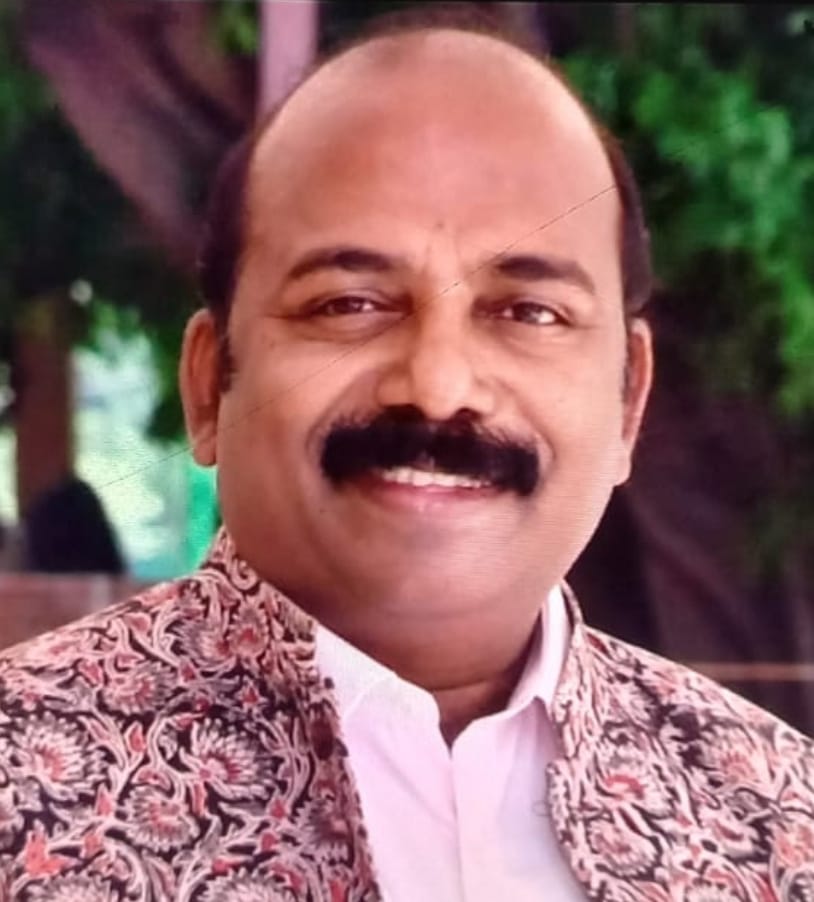
Dr. Ganesh Narayanan
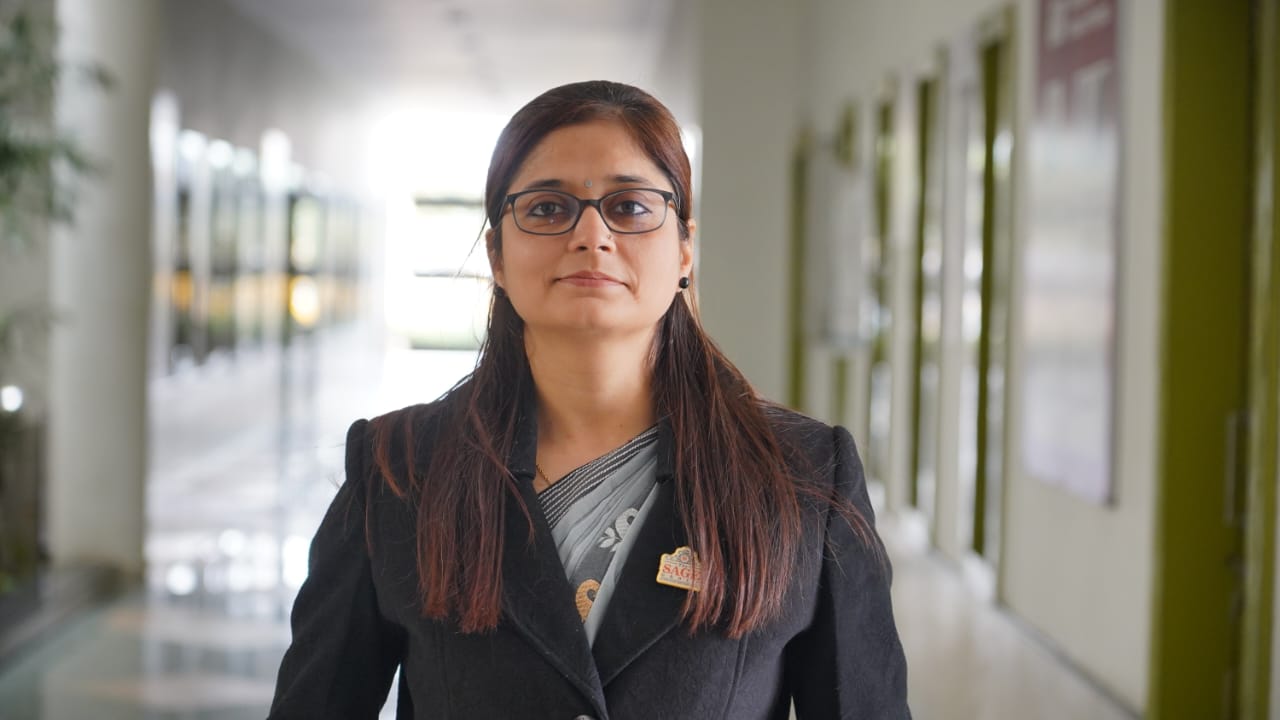
Dr. Shikha Tiwari
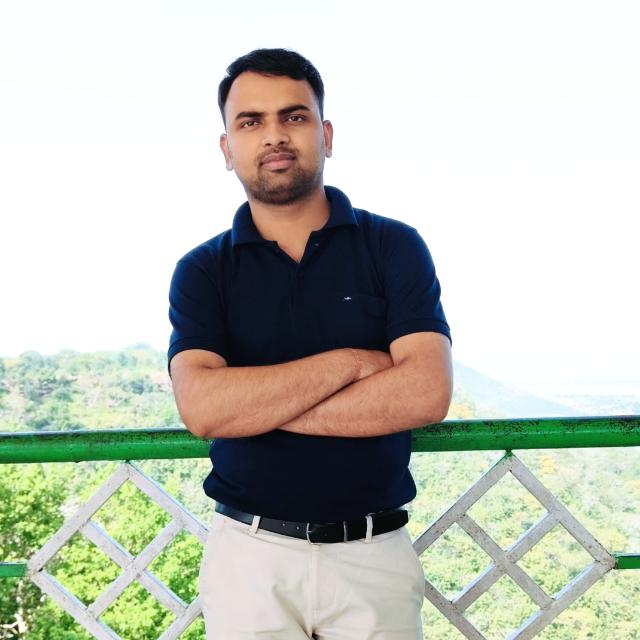
Shivam Chaurasiya
Dr. Tahir Mohi-ud-Din Malla
Frequently Asked Questions
1. What is the duration of the Certificate Course in Cell Biology?
The course duration is 1 week, scheduled from 04 August 2026 to 09 August 2026, with daily sessions including both theory and practical components.
2. What topics will be covered in this course?
The course covers cell structure and organelles, nucleus and genetic material, cell cycle and division, apoptosis, stem cells, and basic cell culture techniques, along with microscopic observations and laboratory demonstrations.
3. Who should enroll in this course?
This course is suitable for students and professionals from biology, biotechnology, microbiology, pharmacy, life sciences, and related healthcare fields who want to strengthen their understanding of cellular biology.
4. What mode will the course be conducted in?
The course will be conducted in hybrid mode at the biology laboratory and smart classroom of the university campus.
5. Will participants receive a certificate after completing the course?
Yes, participants who successfully complete the sessions and assessment will receive a certificate in cell biology.

