Overview
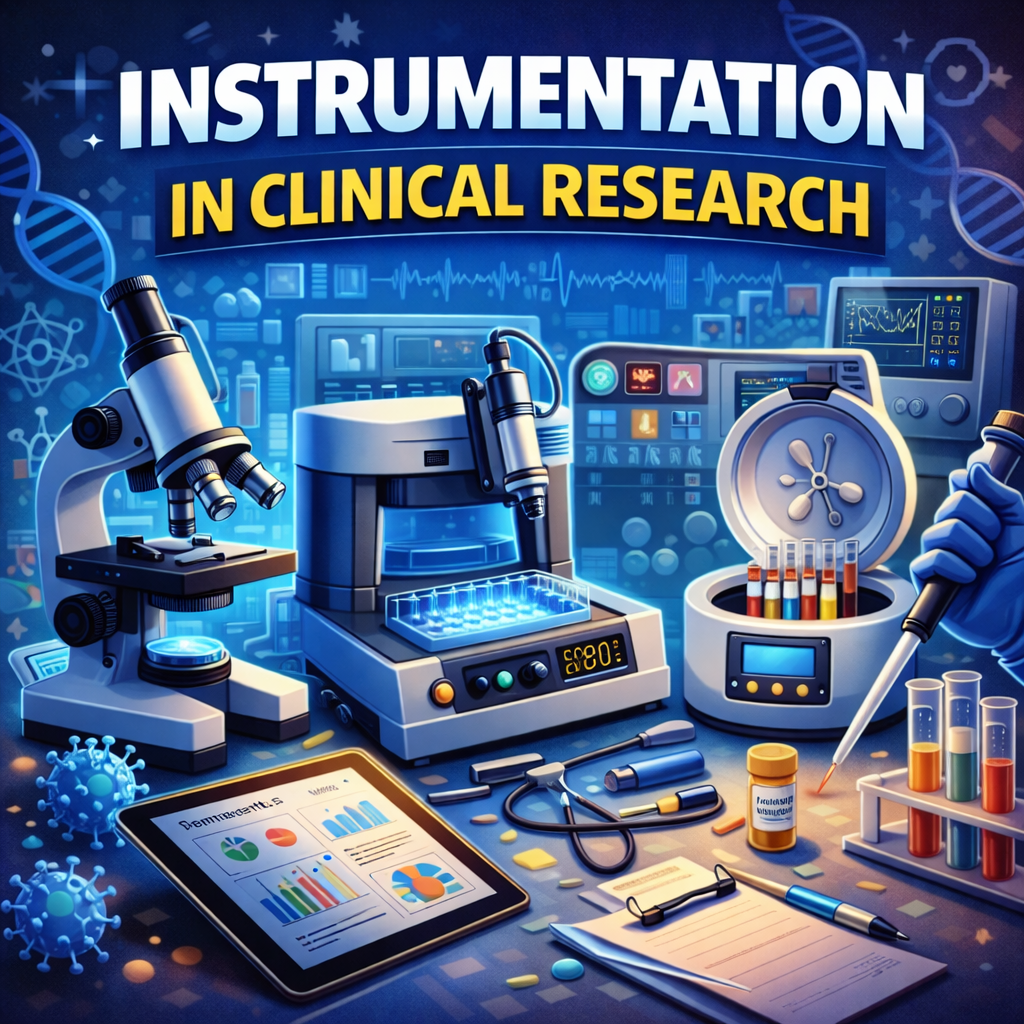
This SAGE Summer School Certificate Course in Instrumentation in Clinical Research provides both theoretical understanding and hands-on training in essential laboratory instruments such as microscopes, centrifuges, spectrophotometers, ELISA readers, PCR machines, incubators, autoclaves, and analytical devices used in clinical research. The program emphasizes instrument handling, calibration, maintenance, troubleshooting, and interpretation of generated data. The course aligns with NEP-2020 and promotes skill-based learning for research and diagnostic applications.
Course Objectives
• Introduce principles and working mechanisms of clinical research instruments.
• Develop understanding of instrument handling and operational safety.
• Provide hands-on exposure to commonly used laboratory instrumentation.
• Train participants in calibration and maintenance of laboratory equipment.
• Demonstrate analytical techniques using spectrophotometers and ELISA systems.
• Enhance understanding of PCR and molecular diagnostic instrumentation.
• Promote Good Laboratory Practices (GLP) and laboratory safety compliance.
Our Trainers

Dr. N. Ganesh
Name : Dr.N.Ganesh
Designation : Dean (Research & Development)
Department Affiliation : Administration, Sanjeev Agarwal Global Educational (SAGE) University, Bhopal (M.P)
Education Qualification : PhD Anatomy (Medicine Faculty 2002)
MSc. Genetics, Diploma Human Nutrition (Alison, Ireland, UK 2021), Diploma Allopathy (Council of Indian Paramedical & Vocational Faculty 2019), Diploma Computer application, Certificate course & Observership in Clinical Genetics, Cancer Genetics, Industrial Microbiology, Counselling, Aromatherapy & Clinical Andrology).
Experience in SAGE : 4 months 19 days
Experience outside SAGE : 28 Years as a Consultant Oncogenetics & Sr. Scientist
Work Area & Expertise : Diagnostic Human Genetics, Cancer Genetics,Immunogenetics,
Pedigree charting, Genetic Counselling, Tumor research, In – vitro Human and Animal Tissues culture, Bone marrow Culture, Toxicology, Experimental Pharmacology, Dermatoglyphic, Human Anatomy, Clinical Biochemistry, Clinical Microbiology, Mutation Research, Bio-statistic, Clinical Trial, Pre-clinical Trial, Laboratory Design, Textile Design & Fine Art.
Research Credentials
Publications : 169 published, 6 communicated
Research Citation Score : 68704
H - index : 131
i10 - index : 864
Books/Book Chapters : 2 Books, 2 Chapters, 1 book under process.
IPR : 2 & 1 Filed
Projects : 22 completed (Rs. 4,35,28,328.00) & 2 Submitted (Rs.70,63,000.00)
PhD Guide : 22 (Awarded) & 4 (Submitted)
Awards : 52 (National & International), 89 (Best Scientific
Paper) & 72 (Best poster)
Health & Cancer Awareness : 27300 Detections camps
Dr. Shikha Tiwari
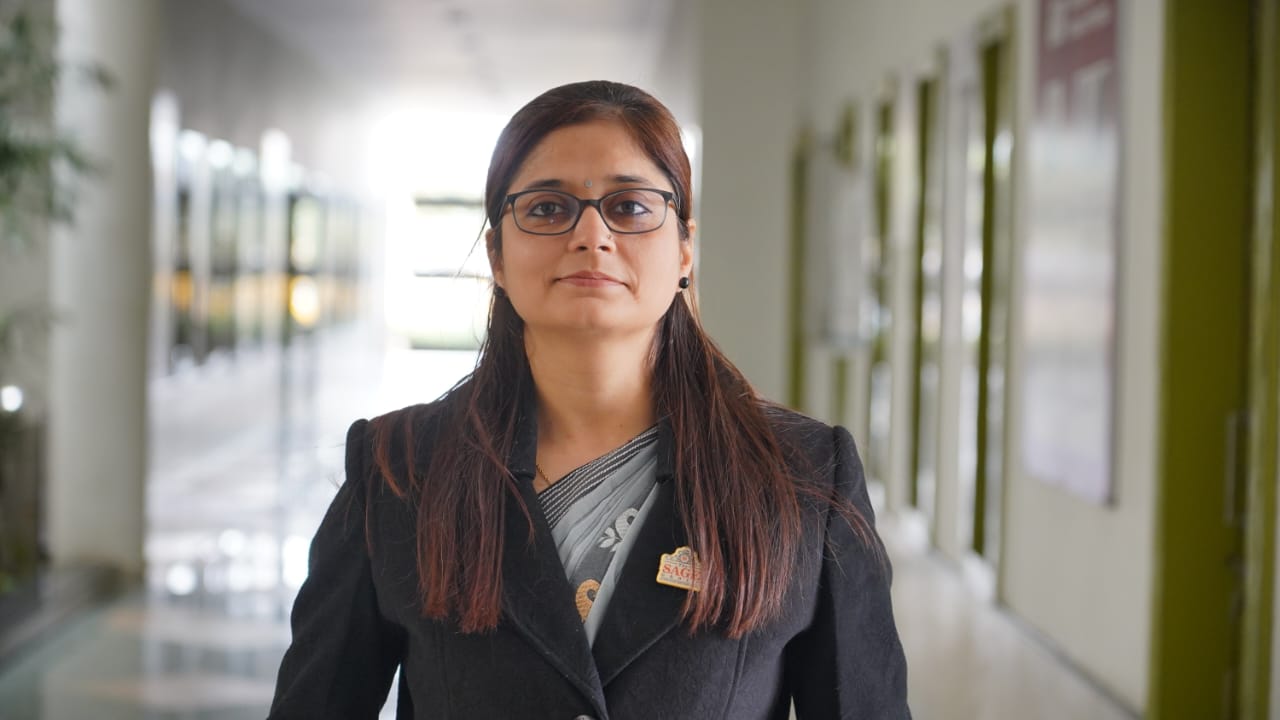
DR. SHIKHA TIWARI
Assistant Professor of Biotechnology| Head and Neck cancer research |
+91-8305979899 [email protected],
[email protected] https://orcid.org/0000-0001-8871-9842 Bhopal, India
SUMMARY Biological Research Scientist with over 6 years of experience integrating molecular biology techniques and cancer research. Demonstrated ability to optimize laboratory operations and deliver comprehensive publications aligned with strategic objectives and translational approach, with a passion for advancing cancer treatment.
EXPERIENCE Assistant Professor Institute of Advanced Research, Gandhinagar 05/2024 - 11/2024 Gujarat Conduct academic lectures and practical sessions for Biotechnology Students. Explore the role of microRNA in oral cancer diagnosis and therapeutic advancements Women Scientist All India Institute of Medical Sciences Bhopal 08/2021 - 04/2024 Bhopal, India Established the MicroRNA dysregulation role in oral cancer development and progression. Successfully investigated the role of single nucleotide polymorphism in oral cancer predisposition. Optimized tissue culture conditions, resulting in a consistent 20% improvement in viability for cryopreserved cells. Provided critical input in team meetings, shaping the direction of research and subsequent studies. Senior Research Fellow CIAE 06/2019 - 07/2021 Bhopal, India Contributed to the development of a novel volatiles for the storage of horticulture commodity. Assisted in the validation of e-nose Prepared detailed method files for GC-MS and optimize VOCs absorption with SPME fibers.
EDUCATION Ph.D. Biological science and engineering Maulana Azad National Institute of Technology 03/2012 - 04/2016 Bhopal, India Master of Science in Biotechnology Krishna Institute of Medical Sciences University 07/2008 - 06/2010 Karad, India
LANGUAGES Hindi Native English Proficient
KEY ACHIEVEMENTS Publication in reputed SCI indexed journals Principal author of the research publications in peer reviewed journals. From the total 17 publications, 10 are published in SCI indexed journals. One book edited"Diagnostic, Prognostic, and Therapeutic Role of MicroRNAs in Head and Neck Cancer" Elsevier. Active member of American association of cancer research Describe what you did and the impact it had. Research Grant Recipient Secured a 47 lakhs research grant from ICMRDHR
SKILLS Cell Culture Protocols Technical SOPs Assay Development Transfection optimization Data analysis
COURSES 'R' workshop Received certification on R software for expression analysis and processing Online Course on Research Ethics Committee Completed a rigorous and informative course on making and implementation of ethical research committee

Shivam Chaurasiya
SHIVAM CHAURASIYA
M.Pharm (Pharmaceutics) | Diploma Clinical Research
Bhopal, Madhya Pradesh, India
+91-7746814469
Professional Summary
Motivated Clinical Research and R&D professional with over 3 years of experience in hospital-based research, clinical genetics, and academic R&D coordination. Strong background in pharmaceutical research, clinical trials, laboratory techniques, and scientific writing, with multiple peer-reviewed publications.
Current Position
Assistant Professor School of Pharmaceutical science
Sanjeev Agrawal Global Educational (S.A.G.E.) University, Bhopal
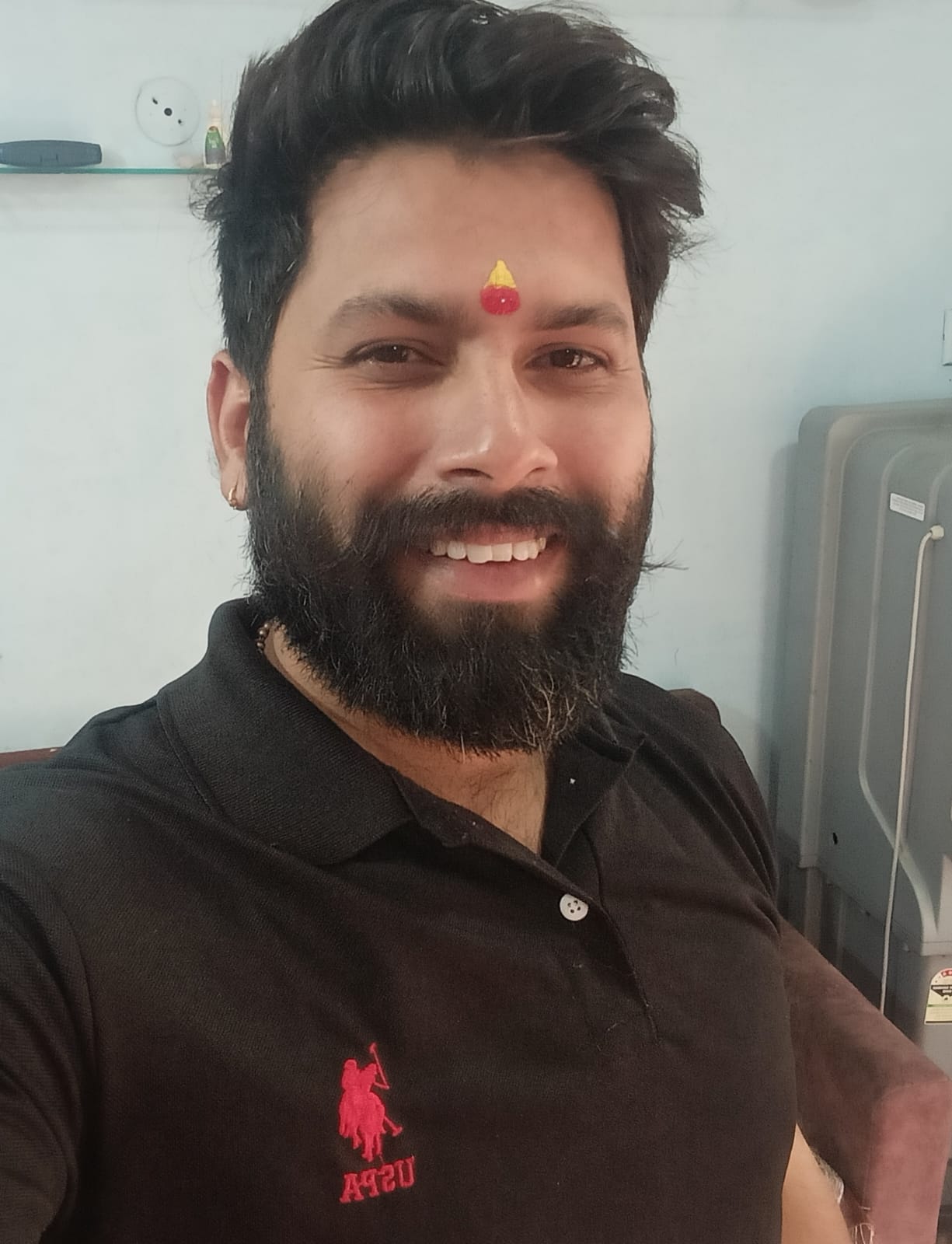
Er. Ricky Joshi
Biomedical Engineer with 10+ years of experience in installation, maintenance, calibration, and troubleshooting of hospital and laboratory equipment. Skilled in ICU, OT, CSSD, Radiology, and TB laboratory equipment with expertise in NABH compliance, AMC/CMC management, and BSL-III laboratory systems.
EXPERIENCE:
Biomedical Engineer
NRL BMHRC, Bhopal | 2020 – Present
Maintenance of TB and BSL-III laboratory equipment, preventive maintenance, calibration, and breakdown handling.
Regional Biomedical Engineer
FIND India | 2018 – 2020
Installation and validation of laboratory equipment and establishment of TB laboratories.
Senior Biomedical Engineer
JNU Hospital, Jaipur | 2017 – 2018
Senior Biomedical Engineer
Arihant Hospital & Research Centre | 2014 – 2017
Service Engineer
Ideal Service System | 2011 – 2014
EDUCATION:
B.E. Electronics & Instrumentation, RGPV Bhopal | 2011
Modules
Module 1 (2 hrs): Introduction to Clinical Research Instrumentation
Theory:
• Overview of clinical research instrumentation
• Classification of analytical instruments
• Role of instrumentation in clinical research
• Principles of measurement and accuracy
• Good Laboratory Practices (GLP)
• Laboratory safety guidelines
Module 2 (2 hrs): Microscopy and Centrifugation Techniques
Theory:
• Principles of microscopy
• Types of microscopes
• Principle of centrifugation
Practical:
• Handling compound microscope
• Slide preparation and observation
• Operation of centrifuge
• Sample separation techniques
Module 3 (2 hrs): Spectrophotometry and Analytical Instruments
Theory:
• Principle of spectrophotometry
• Absorbance and wavelength concepts
• Analytical applications in clinical research
Practical:
• Operation of spectrophotometer
• Preparation of standard solutions
• Measurement of absorbance
• Data recording and interpretation
Module 4 (2 hrs): Immunological and Molecular Instruments
Theory:
• Principle of ELISA
• Principle of PCR
• Applications in diagnostics and research
Practical:
• Demonstration of ELISA reader
• PCR machine operation
• Data interpretation
Module 5 (2 hrs): Sterilization and Incubation Systems
Theory:
• Principles of sterilization
• Incubation systems and environmental control
• Laboratory contamination control
Practical:
• Operation of autoclave
• Use of incubators
• Monitoring sterilization cycles
Module 6 (2 hrs): Calibration, Troubleshooting and Quality Control
Theory:
• Instrument calibration methods
• Preventive maintenance
• Troubleshooting common errors
• Quality assurance procedures
Practical:
• Calibration demonstration
• Maintenance checklist preparation
• Assessment, applications, feedback and certificate distribution on Day 6
Outcomes
Course Outcomes
• Participants will understand operational principles of major clinical instruments.
• Perform safe handling and operation of laboratory equipment.
• Conduct calibration and troubleshooting procedures.
• Interpret results obtained through analytical instrumentation.
• Apply instrumentation knowledge in clinical and biomedical research settings.
• Demonstrate competency in maintaining laboratory quality standards.
Certificate course in Instrumentation in Clinical Research typically involves developing skills in instrument-based diagnostics, calibration techniques, and analytical data interpretation used in biomedical and clinical laboratories.
FAQs
1. What is the duration of the Certificate Course in Instrumentation in Clinical Research?
The course duration is 1 week, scheduled from 07 July 2026 to 12 July 2026, with daily sessions including both theory and practical components.
2. What instruments will participants learn to use during this course?
Participants will receive hands-on training on commonly used instruments such as microscopes, centrifuges, spectrophotometers, ELISA readers, PCR machines, incubators, and autoclaves used in clinical research laboratories.
3. Who should enroll in this course?
This course is suitable for students and professionals from Clinical Research, Biotechnology, Microbiology, Pharmacy, Life Sciences, and related healthcare fields who want to gain practical knowledge of laboratory instrumentation.
4. What mode will the course be conducted in?
The course will be conducted in Hybrid mode at the Central Instrumentation Facility, Clinical Research Laboratory, and Smart Classroom of the university campus.
5. Will participants receive a certificate after completing the course?
Yes, participants who successfully complete the training sessions and final assessment will receive a Certificate in Instrumentation in Clinical Research.