Overview
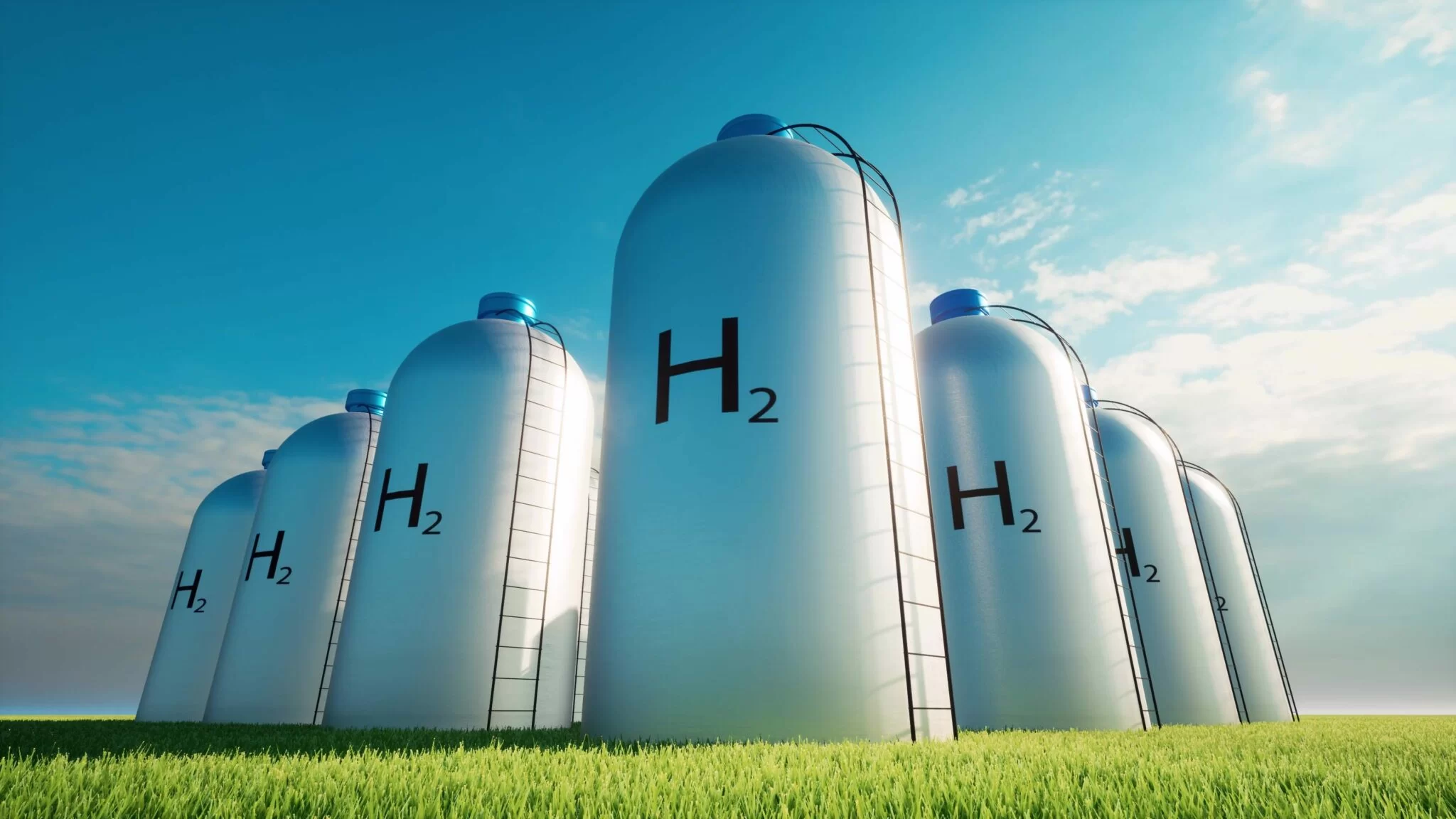
Hydrogen is becoming a powerful and clean fuel for the future. This hydrogen energy course helps you understand how hydrogen can be used as a safe, renewable energy source. Whether you’re a student or a working professional, this course gives you the right knowledge to grow in this future-ready field. In this hydrogen energy online course, you will learn about the basics of electrolysis and hydrogen production, how green hydrogen is made, and its real-world uses. The course also covers the complete hydrogen supply chain and infrastructure, including storage, transport, and usage in industries and vehicles.
Our Trainers

Modules
Module 01
Advanced Manufacturing Processes
Module 02
Hydrogen Purification and Transport
Module 03
Energy Conversion and Storage
Module 04
Applications of Hydrogen
Module 05
Economic Aspects
Module 06
Future-oriented Technology Pathways
Outcomes
-
Understand foundational concepts of hydrogen energy
-
Explain what hydrogen is, its unique properties (e.g. flammability, energy density), and why it is an important clean fuel alternative.
-
Describe the role of hydrogen in future energy systems and its relevance within decarbonization strategies.
-
-
Describe hydrogen production methods (with a focus on green hydrogen)
-
Explain the principles of electrolysis (e.g. alkaline, PEM, solid oxide) and the chemical reactions involved.
-
Distinguish between grey, blue, and green hydrogen production processes, and assess their environmental impacts.
-
Analyze the energy and material requirements (e.g. electricity, catalysts, membranes) for hydrogen generation.
-
-
Explain purification, transport, and storage of hydrogen
-
Describe key methods for hydrogen purification (e.g. pressure swing adsorption, membrane separation).
-
Explain the challenges and methods of compressing, liquefying, or storing hydrogen in solid form (e.g. metal hydrides).
-
Assess the infrastructure for hydrogen transport (pipelines, trucks, ships) and safety aspects.
-
-
Relate hydrogen to energy conversion and storage systems
-
Explain how hydrogen can be converted back to electricity (e.g. via fuel cells) or heat (combustion).
-
Understand different types of fuel cells (PEMFC, SOFC, etc.), their working principles, and performance metrics.
-
Analyze hydrogen’s role as a storage medium in energy systems (e.g. coupling with renewables).
-
-
Identify real‐world applications of hydrogen across sectors
-
Map how hydrogen is used in industries (e.g. ammonia, steel, refineries).
-
Describe hydrogen’s applications in transportation (fuel cell vehicles, buses, trains) and residential usage.
-
Evaluate case studies or pilot projects of hydrogen deployment.
-
-
Assess economic and policy aspects
-
Analyze key cost drivers in hydrogen systems (capital expenditures, O&M, electricity cost, capital intensity).
-
Understand incentive structures, subsidies, policy frameworks, and regulatory challenges.
-
Conduct a basic techno-economic comparison of hydrogen vs. competing technologies in selected use cases.
-
-
Explore future pathways and technology trends
-
Identify emerging trends in hydrogen technologies (e.g. advanced electrolysis, hydrogen carriers, synthetic fuels).
-
Critically evaluate the challenges (materials, scalability, supply chain, safety) that must be overcome.
-
Propose potential trajectories for hydrogen adoption in national and global energy systems.
-
-
Integrate knowledge across modules
-
Synthesize understanding across the hydrogen supply chain—production → purification → transport → storage → usage—and map out end-to-end systems.
-
Design or critique small conceptual hydrogen systems (e.g. from renewable electricity to fuel cell for load) in terms of efficiency, cost, and emissions.
-
Communicate technical aspects of hydrogen systems clearly (reporting, diagrams, technical reasoning)
-
FAQs
FAQ’s
1. What will I learn in this hydrogen energy course?
You will learn the basics of hydrogen energy, how it is produced using electrolysis, and how it can be used in transport, industries, and homes. The course also covers the full hydrogen supply chain and infrastructure, so you understand how hydrogen is stored, transported, and used.
2. Is this a hydrogen energy online course or do I need to attend offline classes?
This is a 100% hydrogen energy online course, which means you can learn from anywhere at your own pace. All modules are available digitally, and you can complete them as per your convenience.
3. Will I get a certificate after completing the course?
Yes. Once you complete all the modules, you will receive a hydrogen energy certificate India. This certificate is also German-certified, which adds value to your career and job profile.
4. Is this course good for beginners or only for experts?
The course is made for everyone – students, beginners, and working professionals. If you want to learn hydrogen fuel cell India or understand renewable hydrogen technology programs, this course is a perfect start.
5. Does this course cover green hydrogen and its future scope in India?
Yes, it includes full details about green hydrogen training India, its benefits, how it is produced, and how India is planning to use green hydrogen in future industries and vehicles.
6. How is this hydrogen energy course connected with DADB?
This course is offered under the Digital skilling platform of DADB, which brings top-level programs like the hydrogen energy course to every corner of India. DADB is helping students and professionals gain the right skills in modern fields like hydrogen and renewable energy.