
Overview
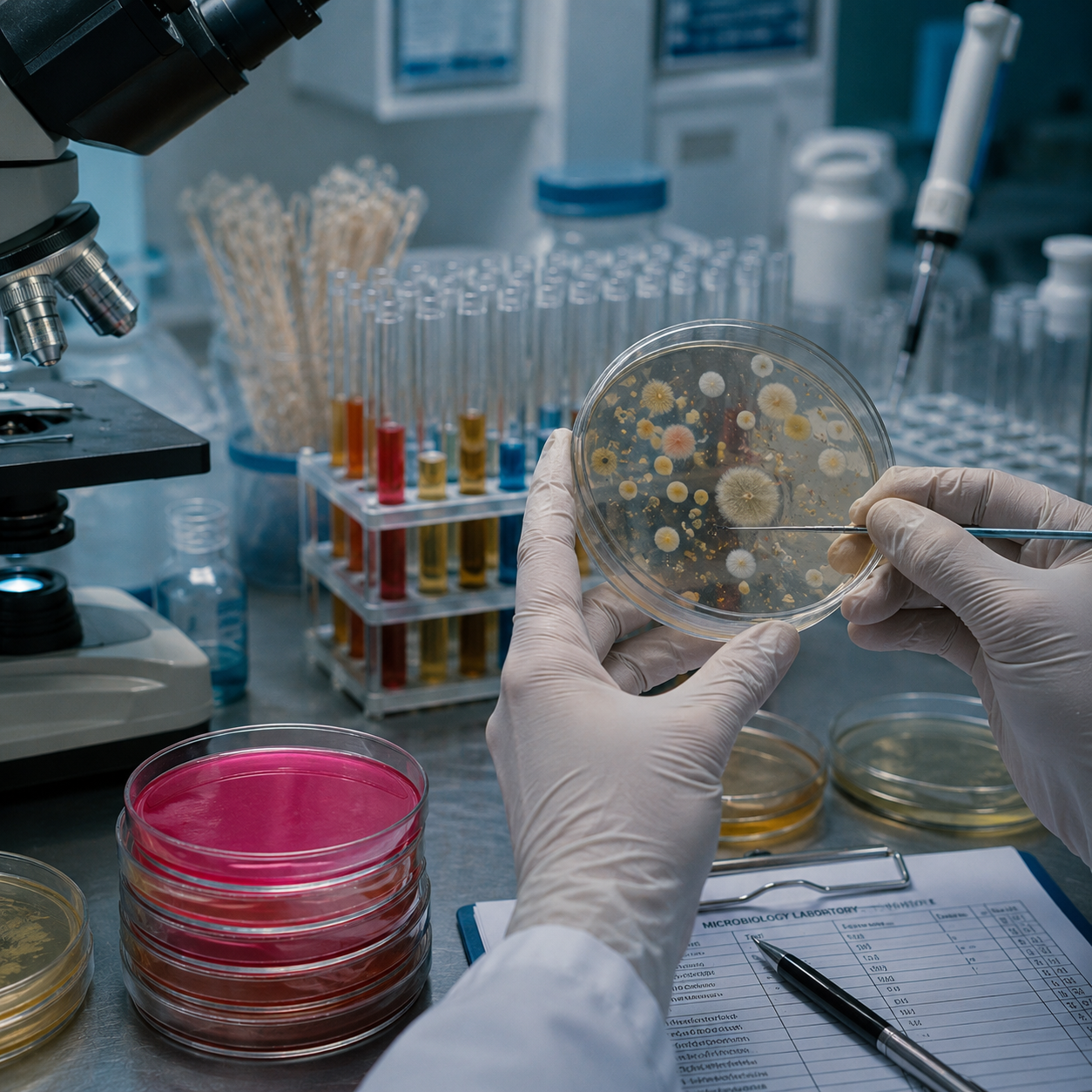
This SAGE Summer School Certificate Course in Clinical Microbiology provides both theoretical knowledge and hands-on laboratory experience in microscopy, staining, microbial culture techniques, biochemical identification, antimicrobial susceptibility testing, and laboratory reporting procedures. The course is aligned with NEP-2020 guidelines and designed to enhance laboratory competency, research skills, and employability among students and healthcare professionals.
Course Objectives
- Introduce fundamental concepts of clinical microbiology and infectious diseases.
- Develop understanding of microbial classification and laboratory safety protocols.
- Provide hands-on training in microscopy and staining techniques such as Gram staining and acid-fast staining.
- Train participants in microbial culture, isolation, and identification methods.
- Demonstrate antimicrobial susceptibility testing using the Kirby-Bauer method.
- Enhance skills in laboratory diagnosis, quality control, and reporting of microbial infections.
- Promote research-oriented thinking and laboratory competency.
Course Outcomes
- The participant will understand principles and applications of clinical microbiology.
- Perform staining techniques, including Gram and acid-fast staining.
- Prepare culture media and perform microbial isolation techniques.
- Identify microorganisms using biochemical and morphological characteristics.
- Conduct antimicrobial sensitivity testing and interpret results.
- Apply microbiological knowledge in diagnostic and research settings.
Course / Modules
Module 1 (2 hrs): Introduction to Clinical Microbiology
Theory:
• History and scope of Clinical Microbiology
• Classification of microorganisms
• Role of microbes in human diseases
• Biosafety levels and sterilization methods
• Laboratory safety and waste disposal
• Importance of Clinical Microbiology in healthcare
Module 2 (3 hrs): Microscopy & Staining Techniques
Theory:
• Principles of microscopy
• Types of microscopes used in microbiology
• Principles of staining techniques
Practical:
• Preparation of microbial smears
• Gram staining technique
• Acid-fast staining technique
• Microscopic observation and interpretation
Module 3 (2 hrs): Culture Techniques
Theory:
• Types of culture media
• Principles of microbial growth
• Sterilization methods
Practical:
• Preparation of culture media
• Inoculation techniques
• Streak plate method
• Aseptic handling of samples
Module 4 (4 hrs): Identification of Microorganisms
Theory:
• Morphological identification
• Colony characteristics
• Biochemical identification methods
Practical:
• Observation of colony morphology
• Biochemical testing procedures
• Recording identification results
Module 5 (5 hrs): Antimicrobial Sensitivity Testing
Theory:
• Principles of antimicrobial susceptibility testing
• Antibiotic resistance mechanisms
• Kirby-Bauer disc diffusion method
Practical:
• Preparation of inoculum
• Antibiotic disc placement
• Measurement of inhibition zones
• Interpretation of results
Module 6 (2 hrs): Clinical Applications & Laboratory Reporting
Theory:
• Sample collection and transport
• Diagnostic microbiology workflow
• Quality control procedures
• Laboratory reporting standards
Practical:
• Processing clinical samples
• Recording observations
• Preparation of laboratory reports
• Assessment, applications, feedback and certificate distribution on Day 6
Our Trainers

Dr. N. Ganesh
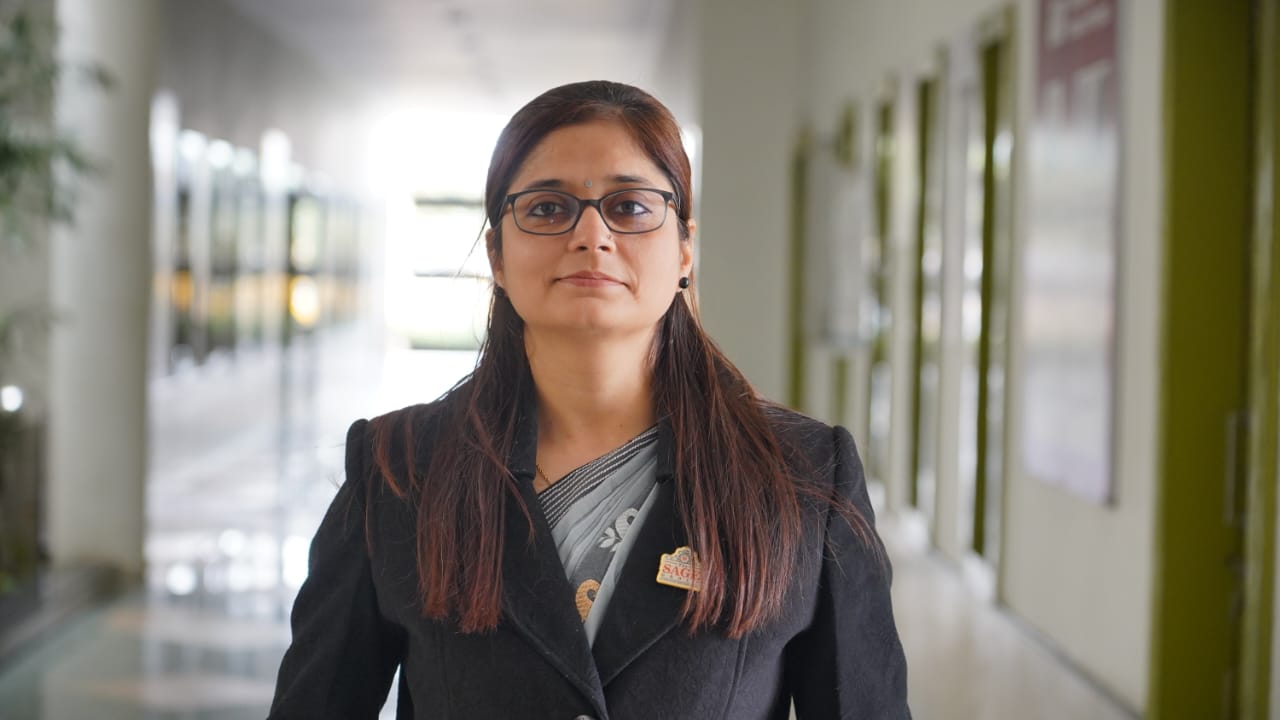
Dr. Shikha Tiwari

Dr. Arun Kumar Sharma
Frequently Asked Questions
1. Who can apply for the Certificate Course in Clinical Microbiology?
Students from life sciences, biotechnology, microbiology, pharmacy, medical, and allied healthcare fields, as well as interested researchers and healthcare professionals, can apply for this course.
2. What is the duration and schedule of the course?
The course duration is 1 week, scheduled from 15 May 2026 to 21 May 2026, with daily sessions from 10:00 AM to 4:00 PM.
3. Will the course include practical laboratory training?
Yes, the course provides hands-on laboratory training, including microscopy, Gram staining, acid-fast staining, microbial culture, biochemical identification, and antimicrobial sensitivity testing using the Kirby-Bauer method.
4. What mode will the course be conducted in?
The course will be conducted in hybrid mode (offline and online) at the Microbiology Laboratory and Smart Classroom of the university campus.
5. Will participants receive a certificate after completion?
Yes, participants who successfully complete the training, practical sessions, and assessment will receive a certificate in clinical microbiology at the end of the course.

