Overview
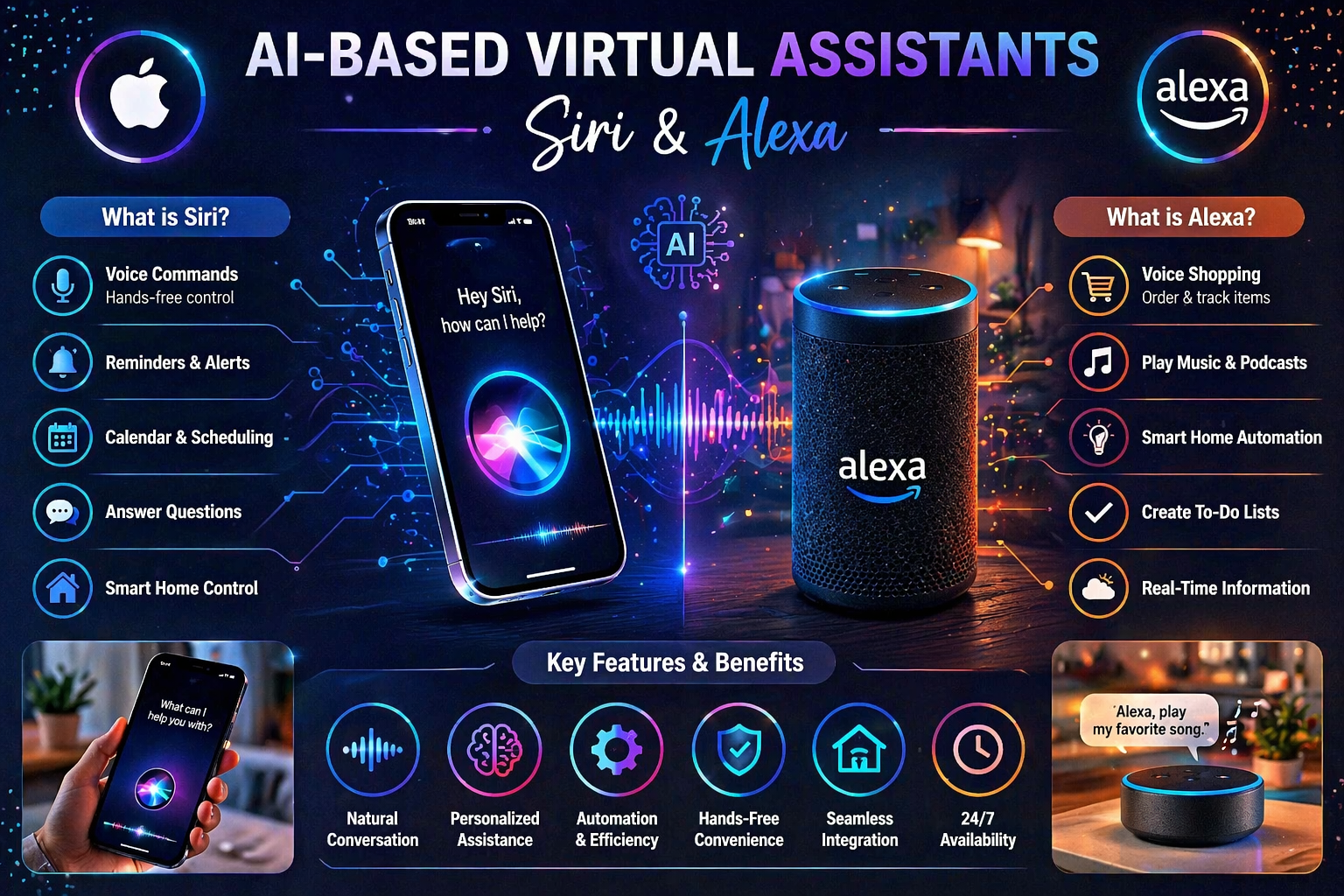
This course focuses on understanding the concept, technology, and applications of AI-based virtual assistants such as Siri and Alexa. It introduces students to the fundamentals of Artificial Intelligence (AI), Natural Language Processing (NLP), and Voice Recognition Systems used in modern virtual assistants. The course explains how virtual assistants understand voice commands, process user requests, and provide intelligent responses.
Students will learn about the working principles, features, and real-life applications of Siri and Alexa in smartphones, smart speakers, and smart home automation. The course also covers topics such as advantages, limitations, privacy concerns, and future scope of virtual assistant technology.
By the end of this course, learners will gain basic knowledge of how AI-powered assistants function and how they are transforming communication, daily tasks, and smart device interaction in modern digital environments.
Our Trainers
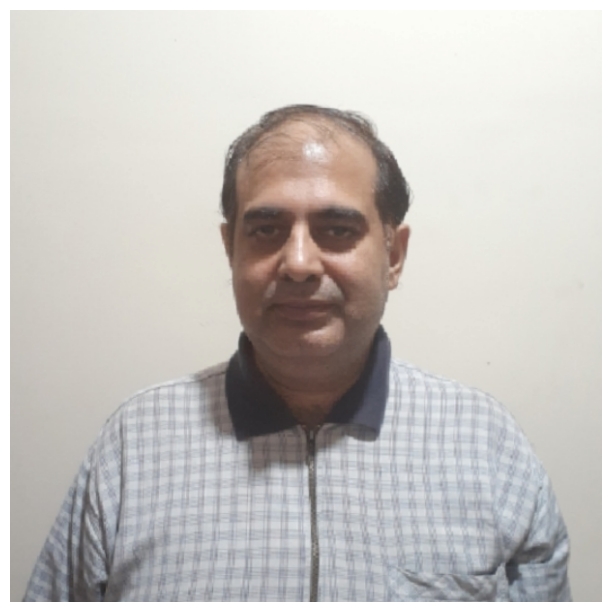
DR.ASHISH CHANDOK
Dr Ashish Chandiok has done Btech in Electronics and Telecommunication Engineering with
distinction, ADBM in exports, M.tech in Engineering Systems with distinction,
Phd in Artificial Intelligence with specialization in Cognitive architecture systems
and cognitive computing. He is working in the field of Artificial Intelligence for
last 20 years. He has proposed cognitive architecture known as CIT (Cognitive
Information Technology) from India. Based on CIT architecture he had developed
a framework for developing Cognitive humanoid and Cognitive Medical Decision
Support System. In Cybrom & Nobleprog, he has given training and Consultancies in the field
of Natural Language Processing, Machine Learning, Deep Learning, Application
of Deep Learning in Industrial Problems, Semantic Web, Big data Analytics.
Currently He is also working as Vice President, Cybrom technology pvt ltd and giving training, research and developments.
. He has skills in python, ml, deep learning , Computer vision, Generative AI, AI Agents,
and its framework. He is well versed with libraries of python like tensorflow, nltk,
scikitlearn, caffe, pytorch. He has also published research papers and presented
papers in the field of cognitive computing, machine learning , deep learning.
Modules
14-Day Virtual Assistant Development Syllabus
Day 1–2: Python Fundamentals (Core for AI Development)
Day 1: Python Basics Variables, data types, operators Conditional statements (if-else) Loops (for, while) Functions
Day 2: Python Advance Working with files Modules & libraries Intro to python scripts Mini Task: Build a Python Project Day 3–5: Natural Language Processing (NLP)
Day 3: NLP Basics What is Natural Language Processing Text preprocessing using NLP with Python
Day 4: Understanding Language POS tagging Named Entity Recognition (NER) Sentiment Analysis Libraries: NLTK / spaCy
Day 5: NLP in Assistants Intent recognition Entity extraction Rule-based vs ML-based NLP Mini Task: Build a simple intent classifier
Day 6–10: Chatbot Development (Core Logic Building) Day 6: Introduction to Chatbots Chatbots vs Virtual Assistants Types: Rule-based vs AI-based Flow design Day 7: Rule-Based Chatbot Pattern matching Decision trees Build chatbot using if-else logic
Day 8: NLP-Based Chatbot Bag of Words concept Training a simple chatbot model Intro to classification
Day 9: Advanced Chatbot Context handling Memory & session management Integration with APIs
Day 10: Chatbot Project Build a complete chatbot: Greetings FAQs Custom responses Optional tools: Dialogflow Rasa
Day 11–14: Speech Recognition & Voice-Based Assistant
Day 11: Speech Recognition Basics What is Automatic Speech Recognition Speech-to-text workflow Libraries: SpeechRecognition, Whisper
Day 12: Voice Commands Processing Mapping voice → actions Command handling system Build voice-controlled features
Day 13: Text-to-Speech (TTS) What is Text-to-Speech Voice output generation Libraries: pyttsx3, gTTS
Day 14: Final Virtual Assistant Project Build a full voice assistant: Speech input NLP processing Chatbot logic Voice output Features: Open apps Answer questions Perform tasks
Outcomes
By the end of this 14-day plan, we will: Master Python basics for AI Understand NLP concepts deeply Build intelligent chatbots Create a complete voice-based virtual assistant like SIRI and Alexa
Contact
Name: Kavita Singh
Mobile No: 9039461873