Overview
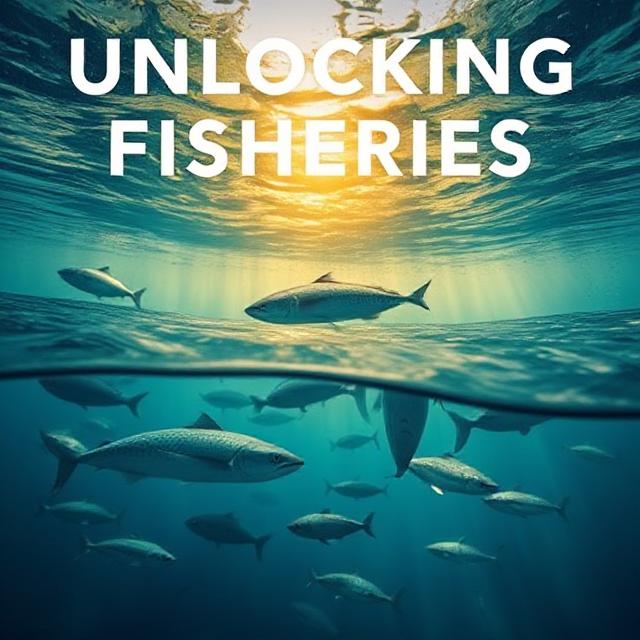
Sustainable fisheries require a scientific tactic to safeguard extensive approach for condition of fish stocks and marine ecosystems, although also seeing the economic and social security of fishing societies. This comprises sympathetic the complex interplay between fishing practices, fish populations, and the environment. By implementing sustainable practices, such as data collection, gear modification, and reducing by catch, fisheries can be managed to support both the environment and livelihoods.
Our Trainers
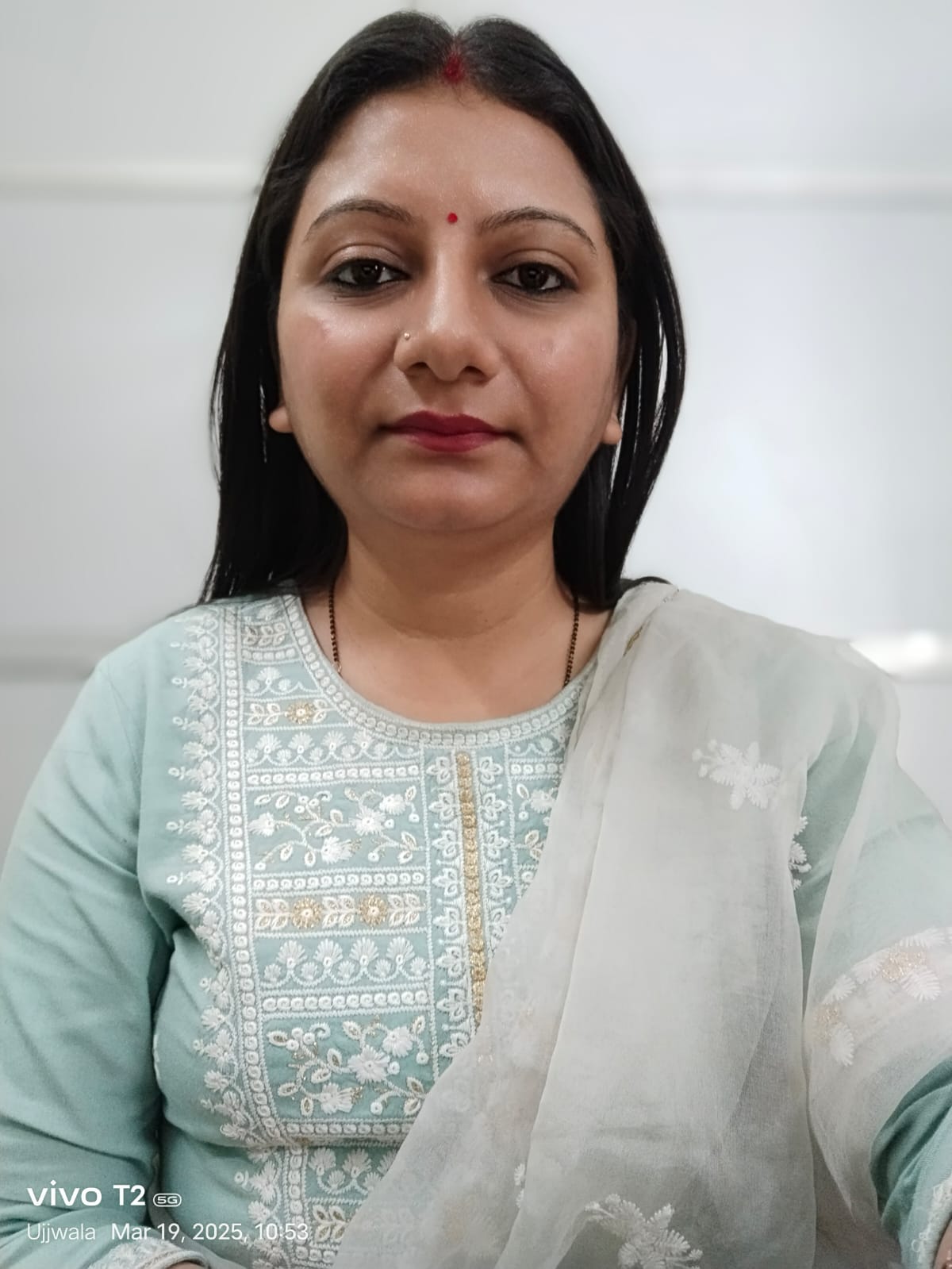
Dr. Ujjwala Upreti
Residual fish farming as an additional income
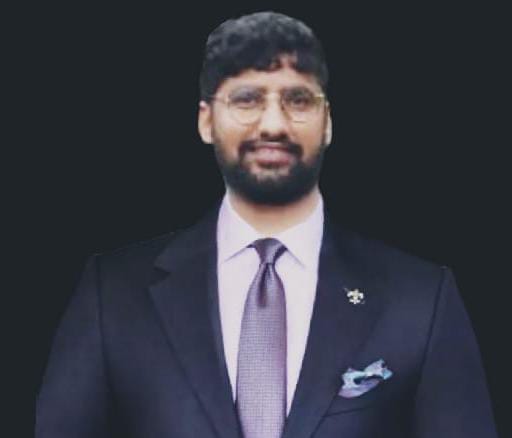
Dr. Bhagchand Chhaba
Waste water management and its sustainability

Dr. Priyanka Acharya
Fisheries Management Through Best Management Practices

Dr. Nitesh Yadav
Understanding Sustainable Fisheries, trough duckweed derived bioactive compounds in mitigating oxidative stress in Aquaculture
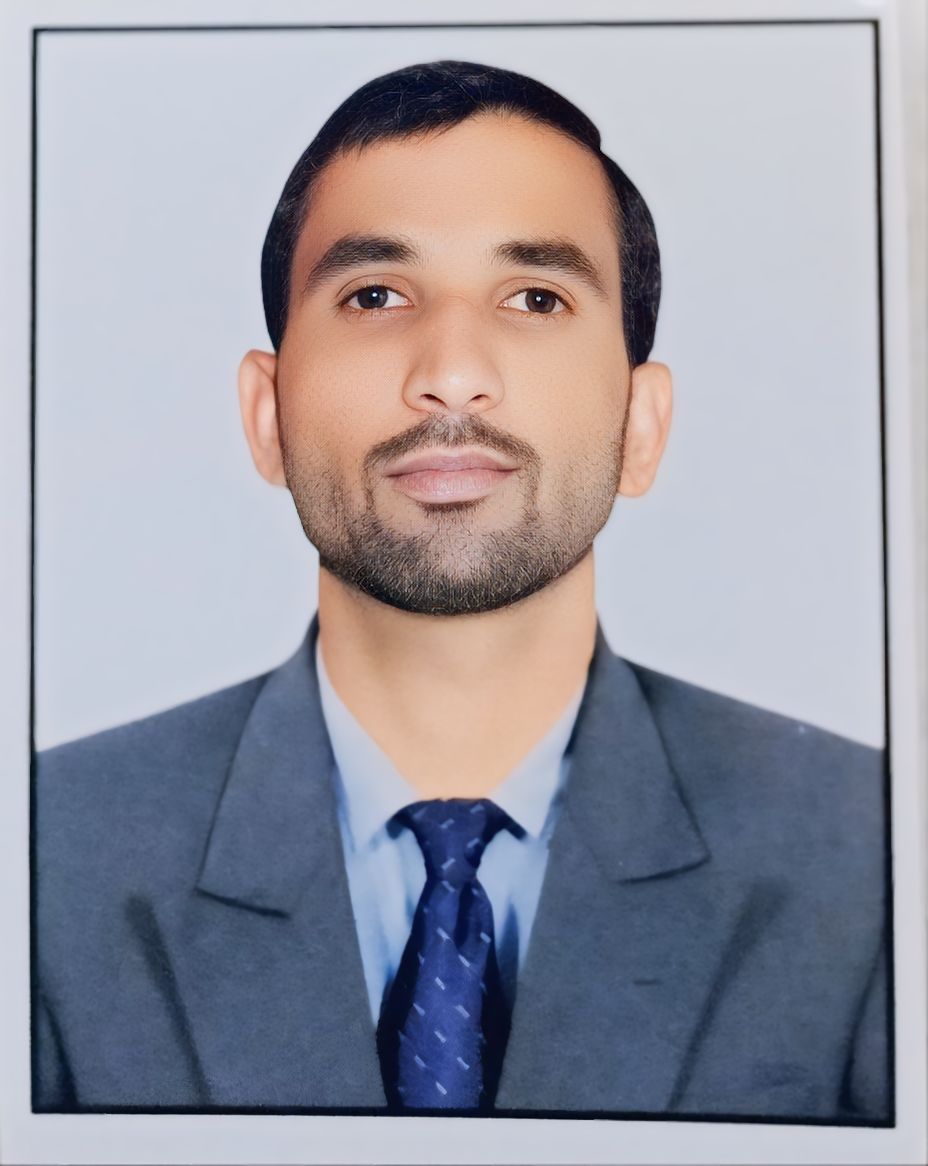
Mr. Shri Ram Yadav
Indian Riverine Systems and Its Management Practices
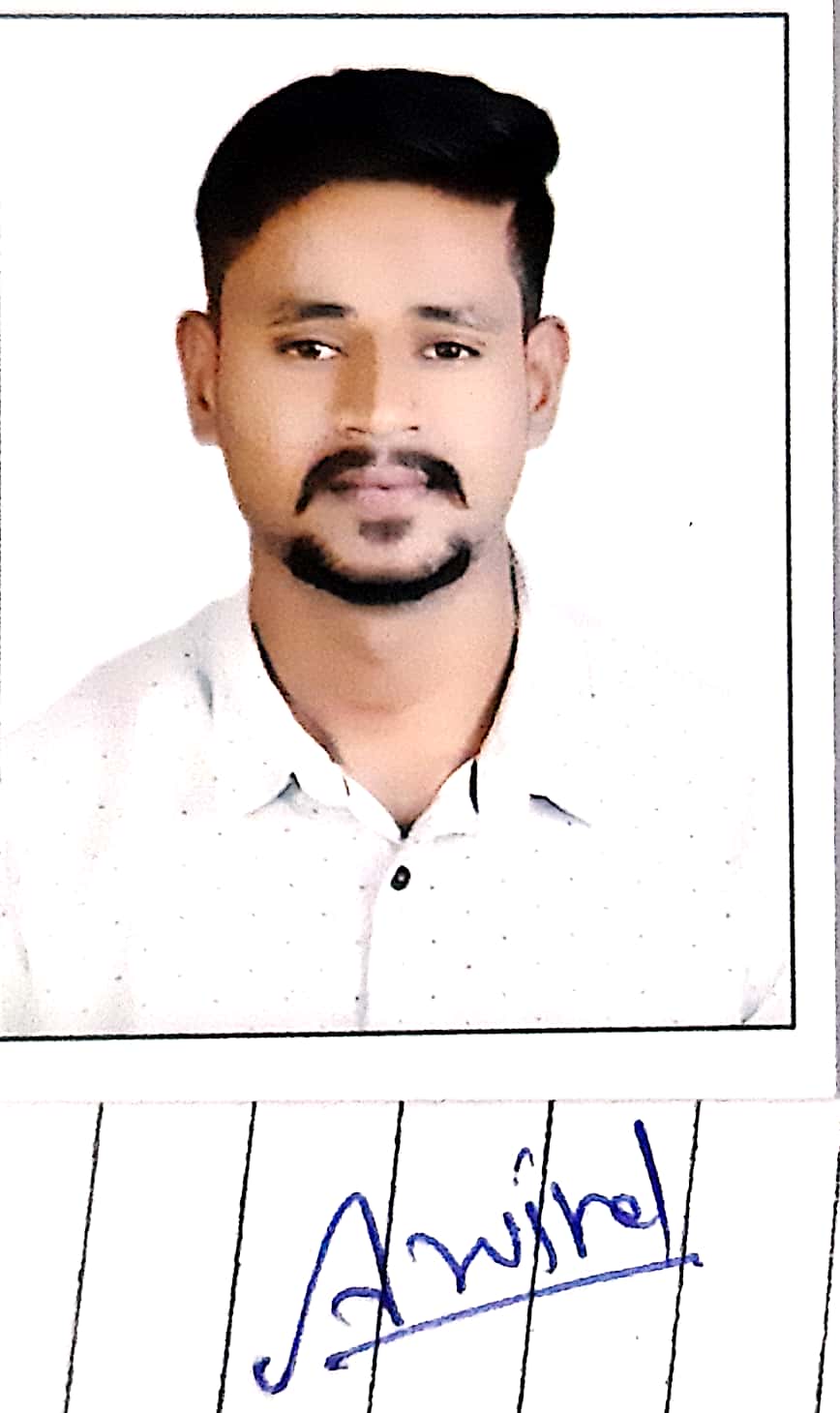
Dr. Arvind Ahirwal
Soil and Water Quality Management Skills

Dr. Shiparna Saxena
Innovation in Fisheries and Aquaculture
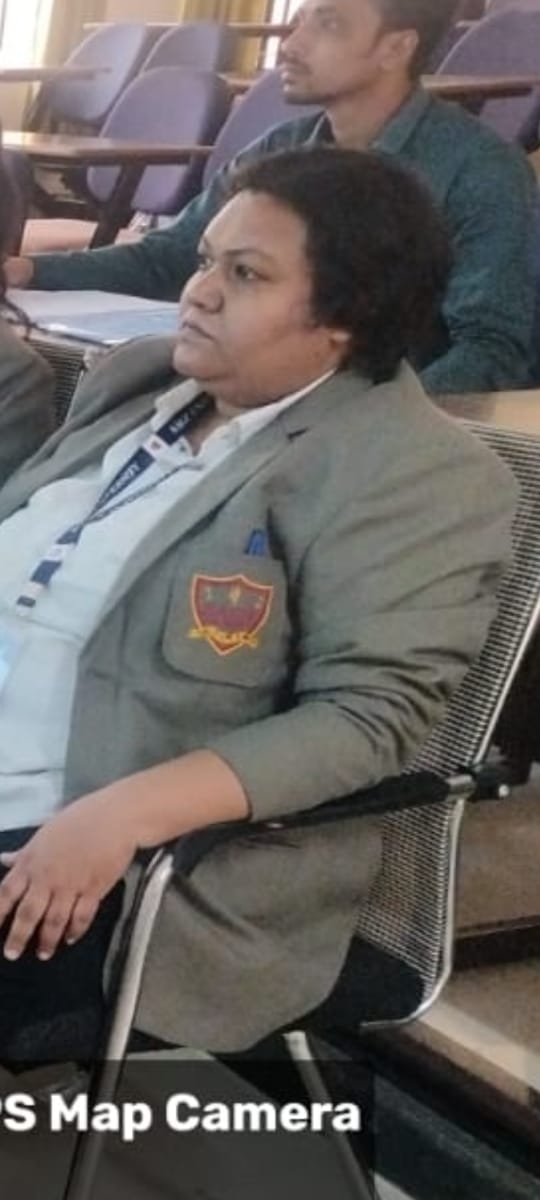
Dr. Rakhi Das
Multilevel Integrated Aquaculture Systems
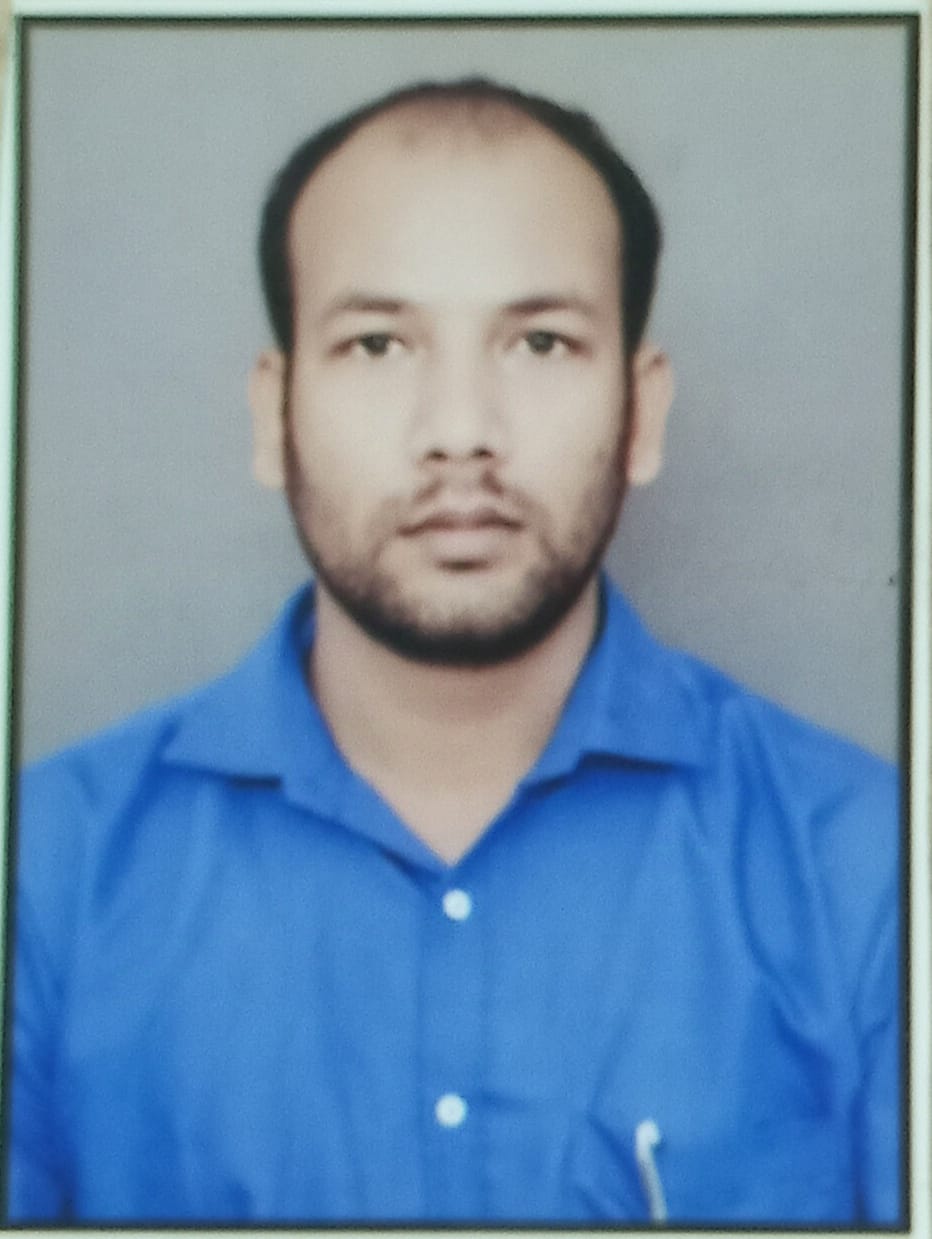
Mr. Ajay Yadav
Fisheries Technologies for Sustainable Fisheries
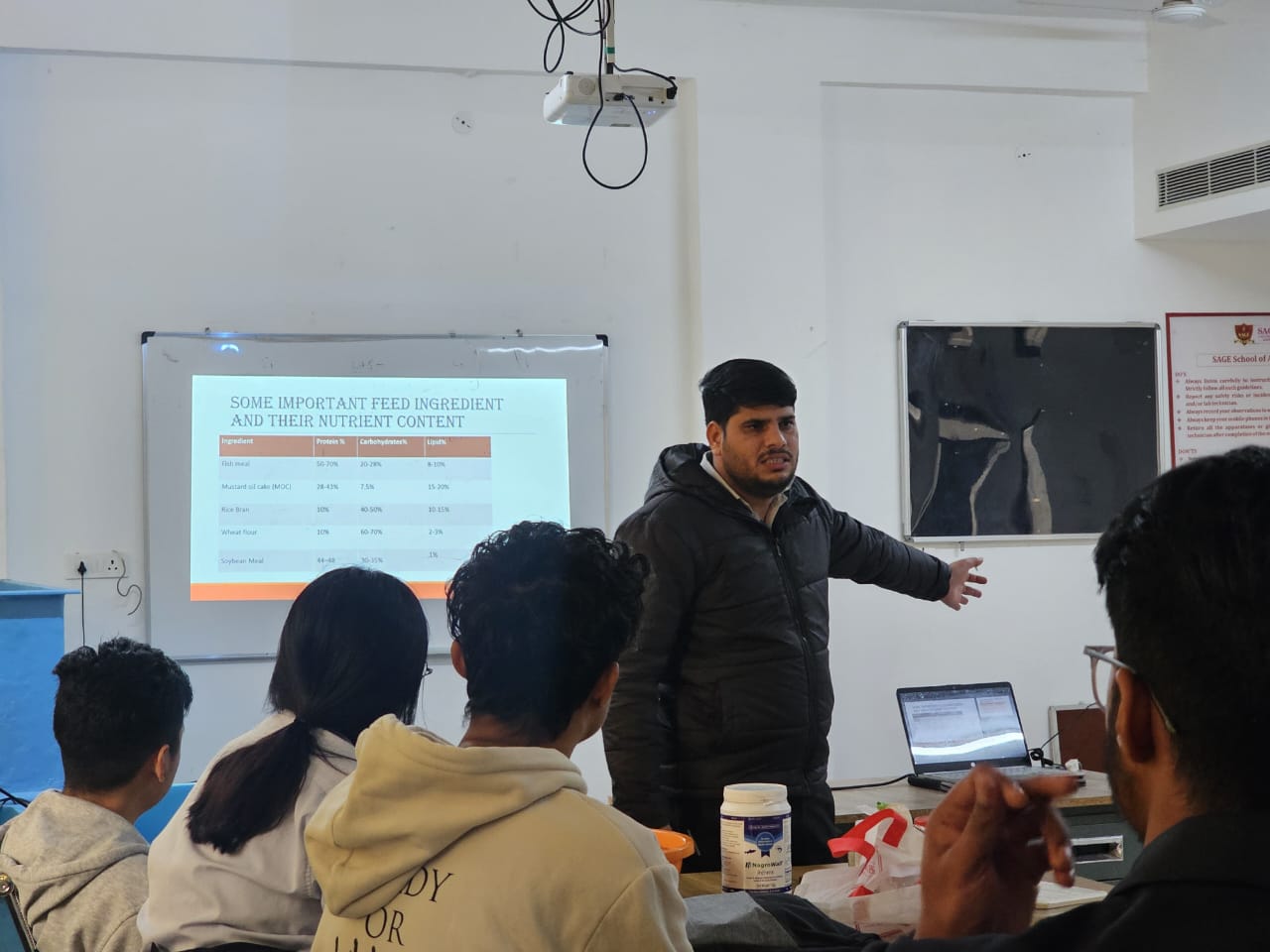
Dr. M.K Yadav
Global Fisheries and Aquaculture at a Glance
Modules
- Global Fisheries and Aquaculture at a Glance
- Understanding Sustainable Fisheries, through, duckweed derived bioactive compounds in mitigating oxidative stress in Aquaculture
- Fisheries Technologies for Sustainable Fisheries
- Multilevel Integrated Aquaculture Systems
- Fisheries Management Through Best Management Practices
- Innovation in Fisheries and Aquaculture
- Residual fish farming as an additional income
- Soil and Water Quality Management Skills
- Indian Riverine Systems and Its Management Practices
- Waste water management and its sustainability
Outcomes
Understanding of Sustainable Aquatic Food Systems
Knowledge of Modern Fisheries and Aquaculture Technologies
Ability to Apply Best Management Practices for Fisheries Management:
Capacity for Innovation and Problem-Solving in the Aquatic Food Sector
Awareness of Career Pathways in Sustainable Fisheries and Aquaculture